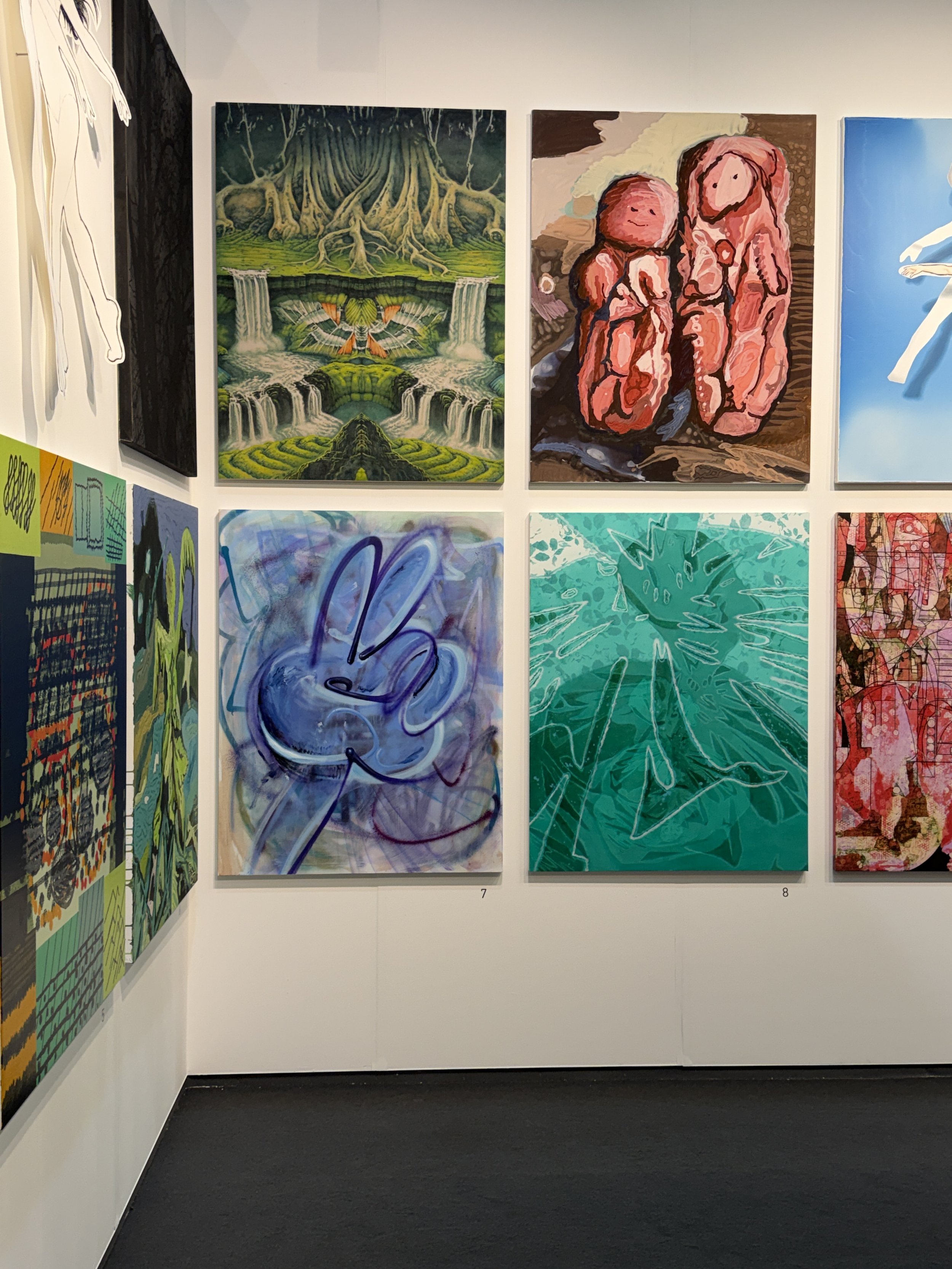
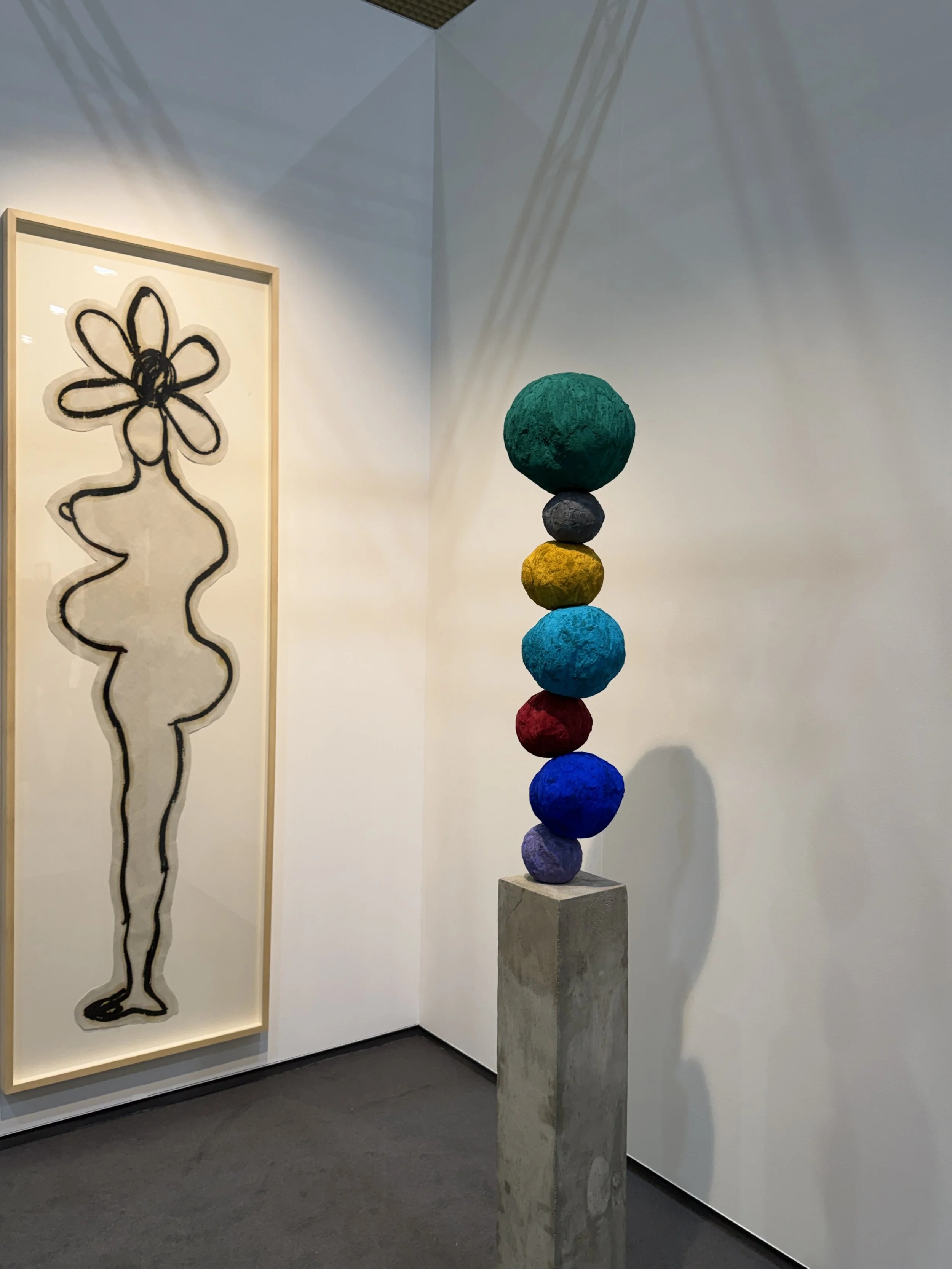
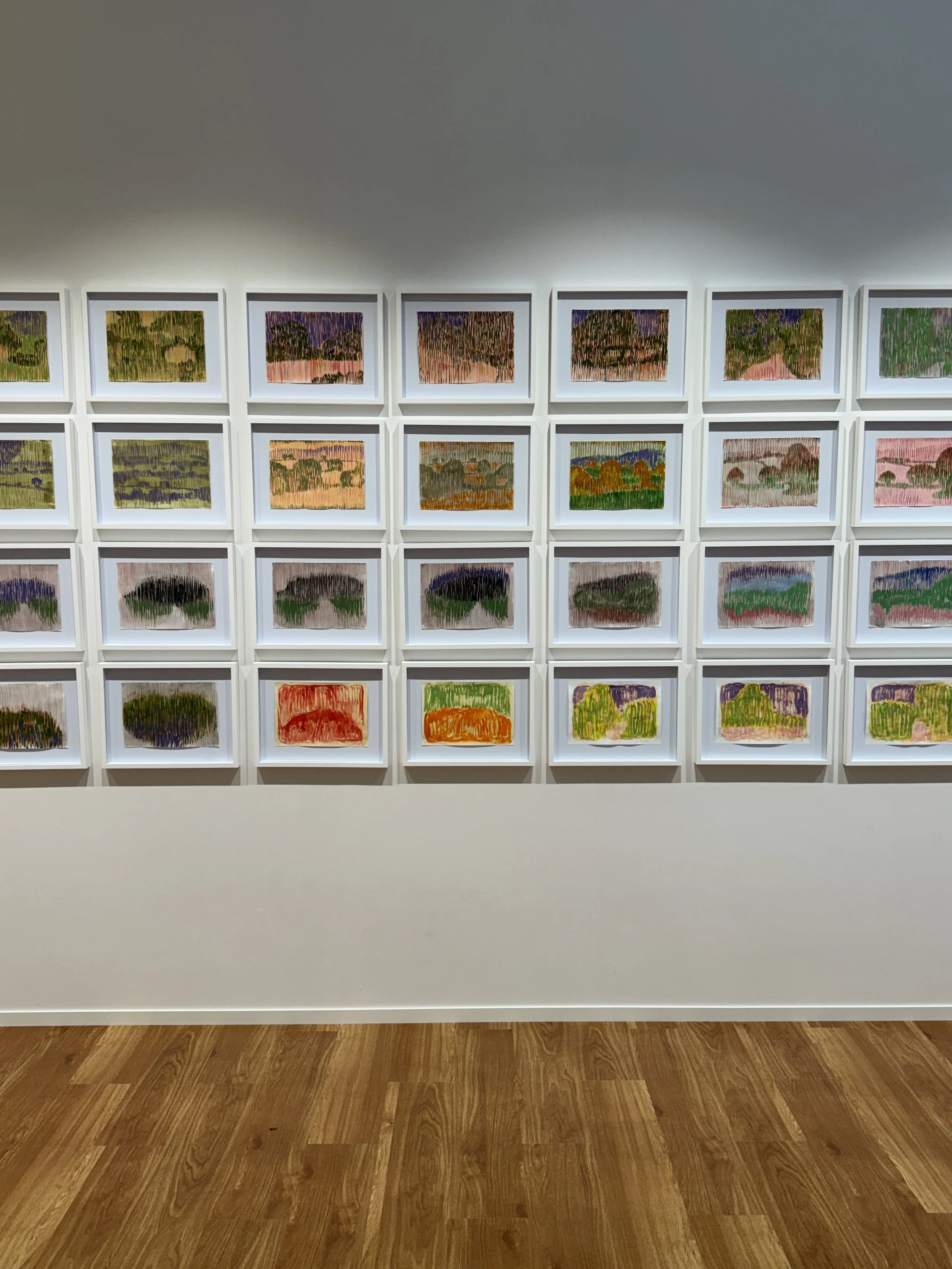
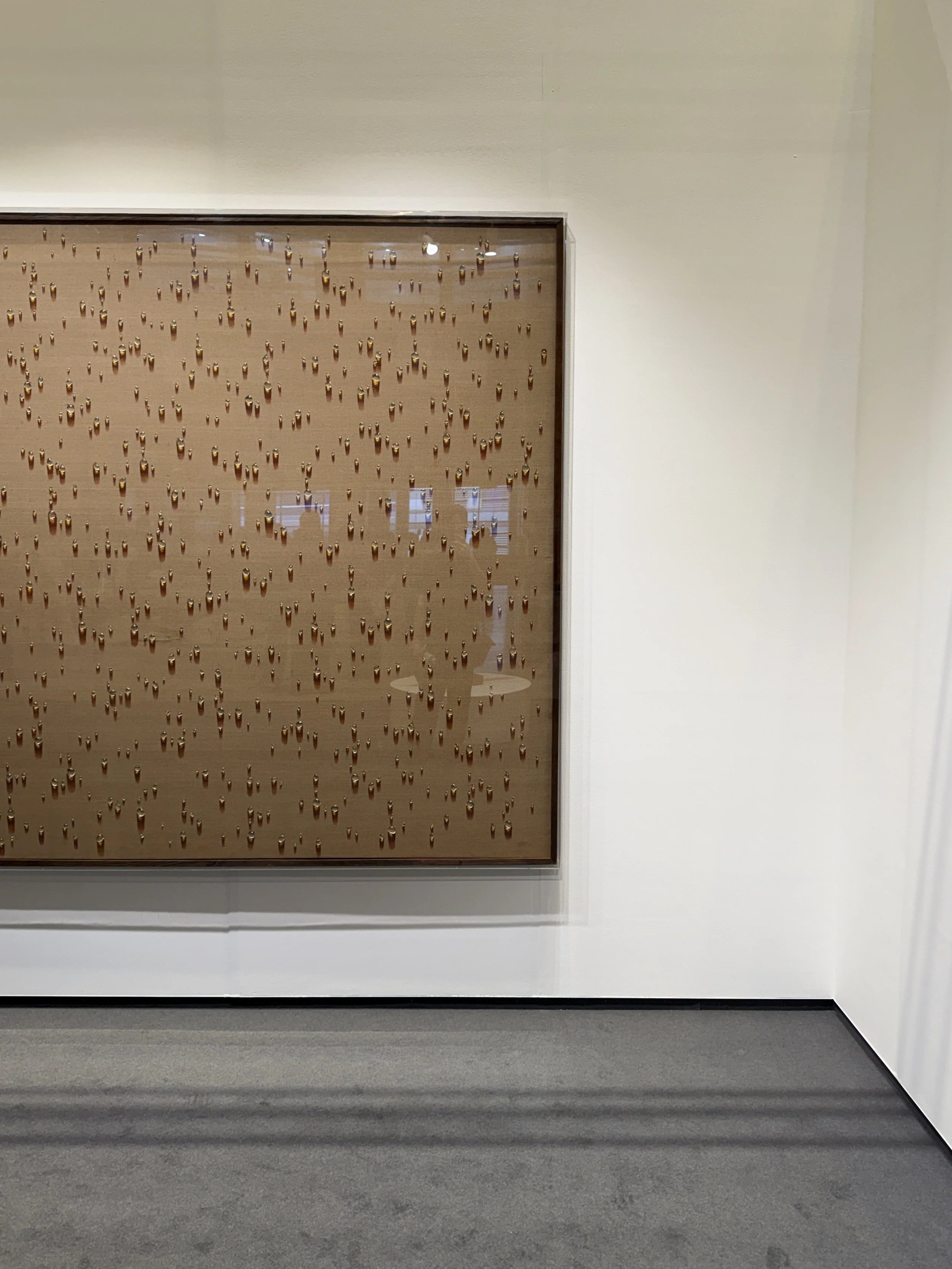
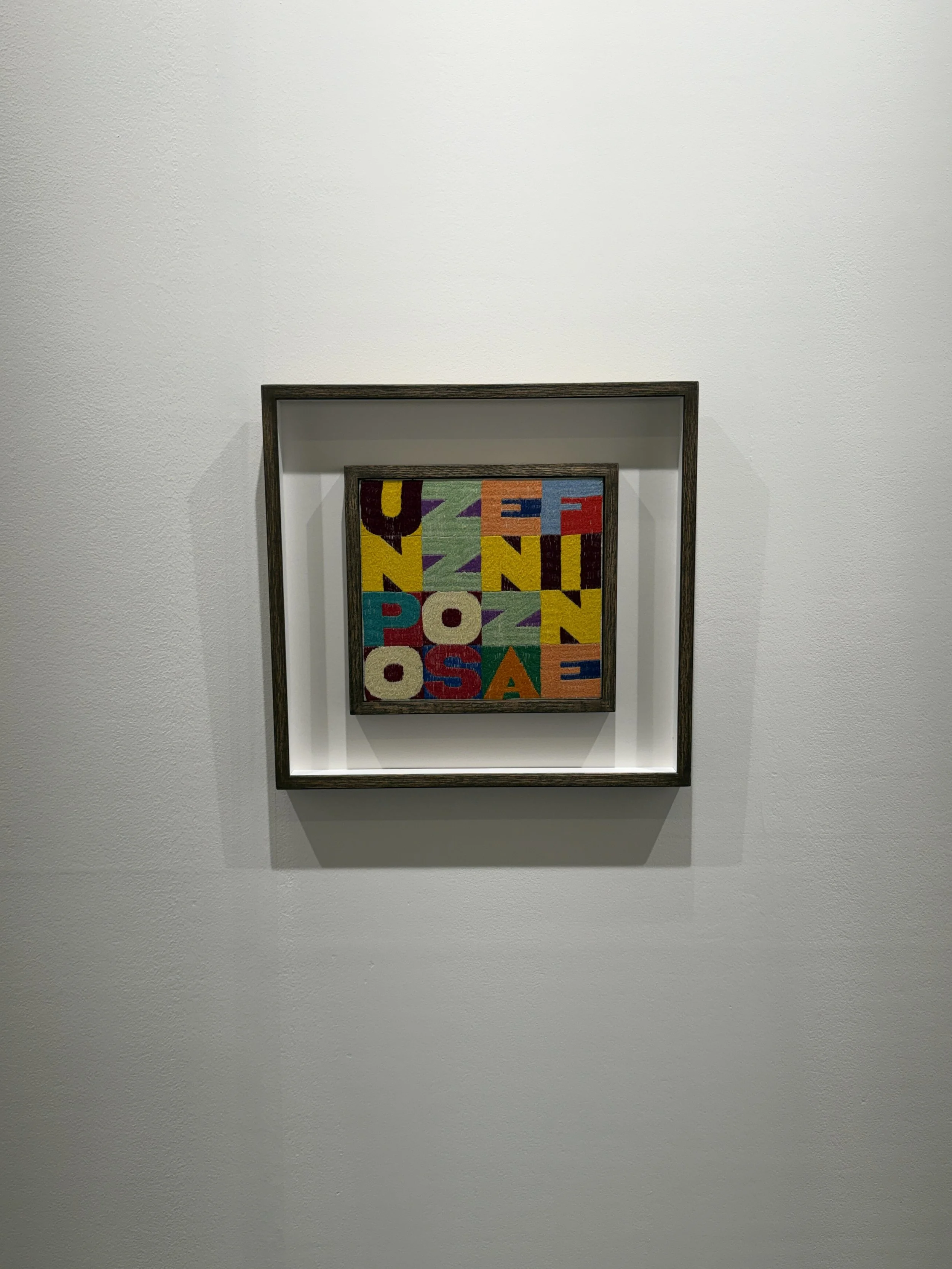
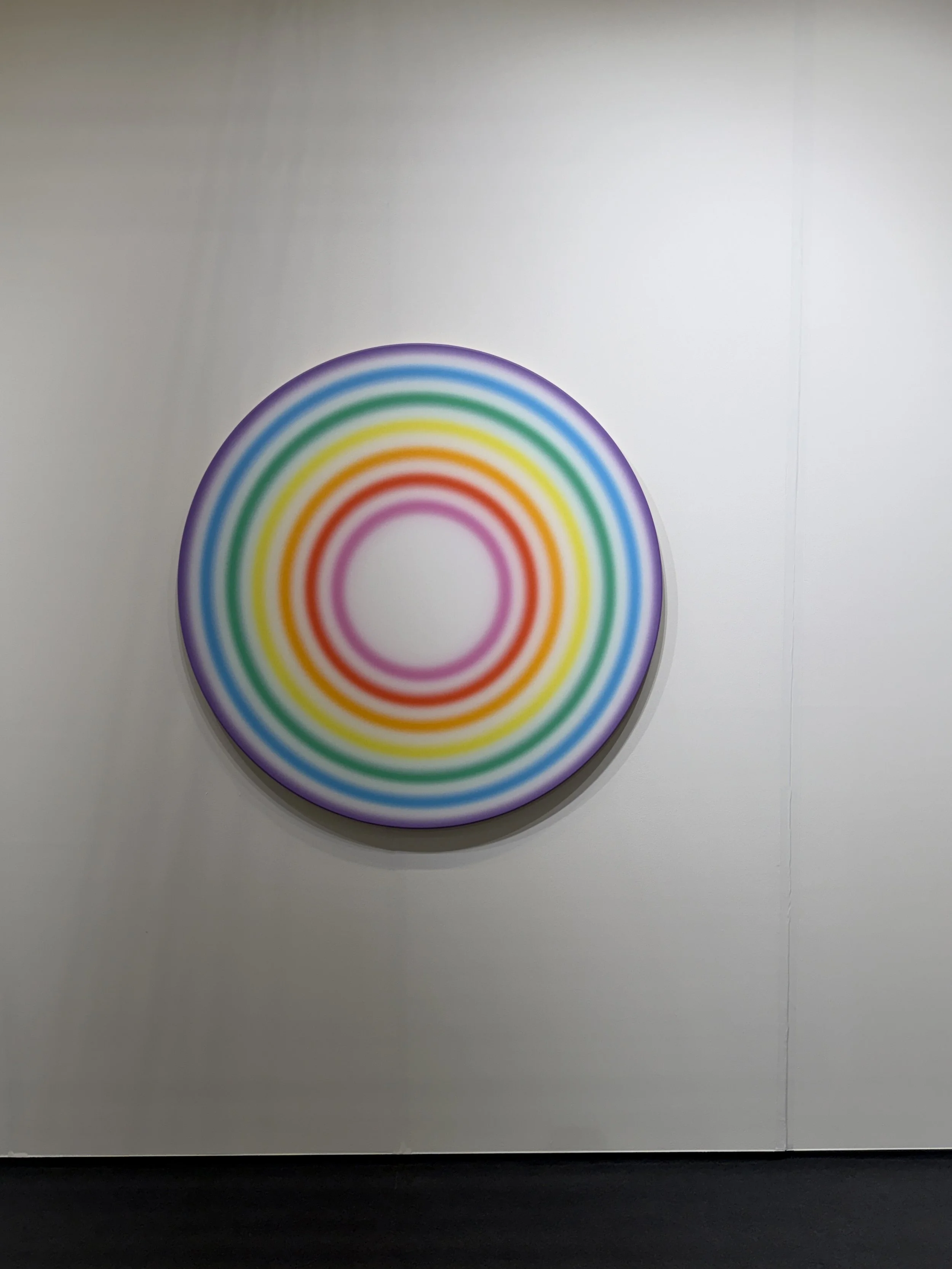
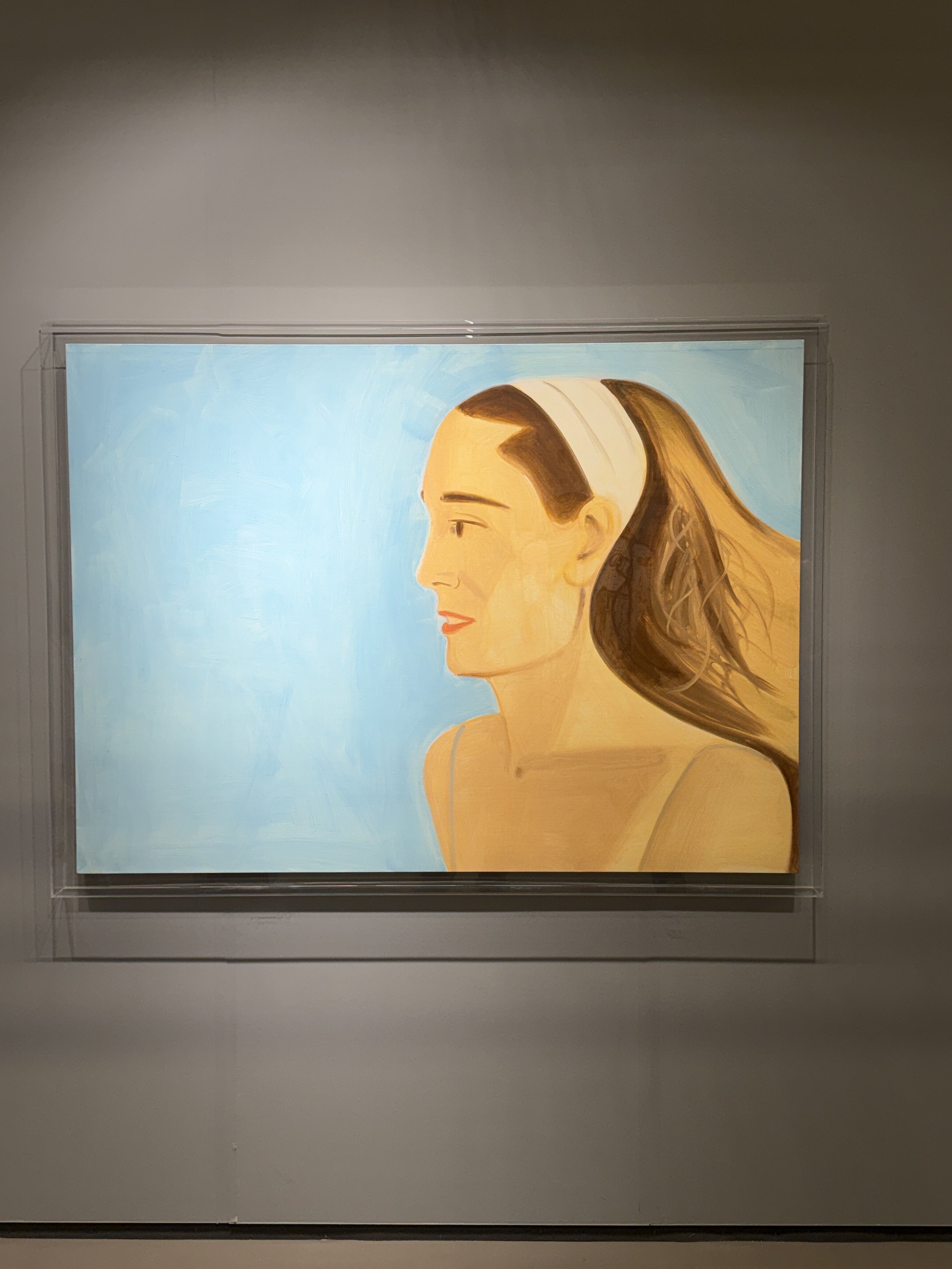
Every September, Samseong-dong becomes one of Seoul’s most interesting neighborhoods for art. Frieze takes over COEX, bringing leading galleries, collectors and artists from around the world together under one roof. For a few days, museum-caliber works that would normally require trips across several cities can be seen within a few aisles of one another — reason enough for me to return each year.
[Do Ho Suh, Beyond the Fair]
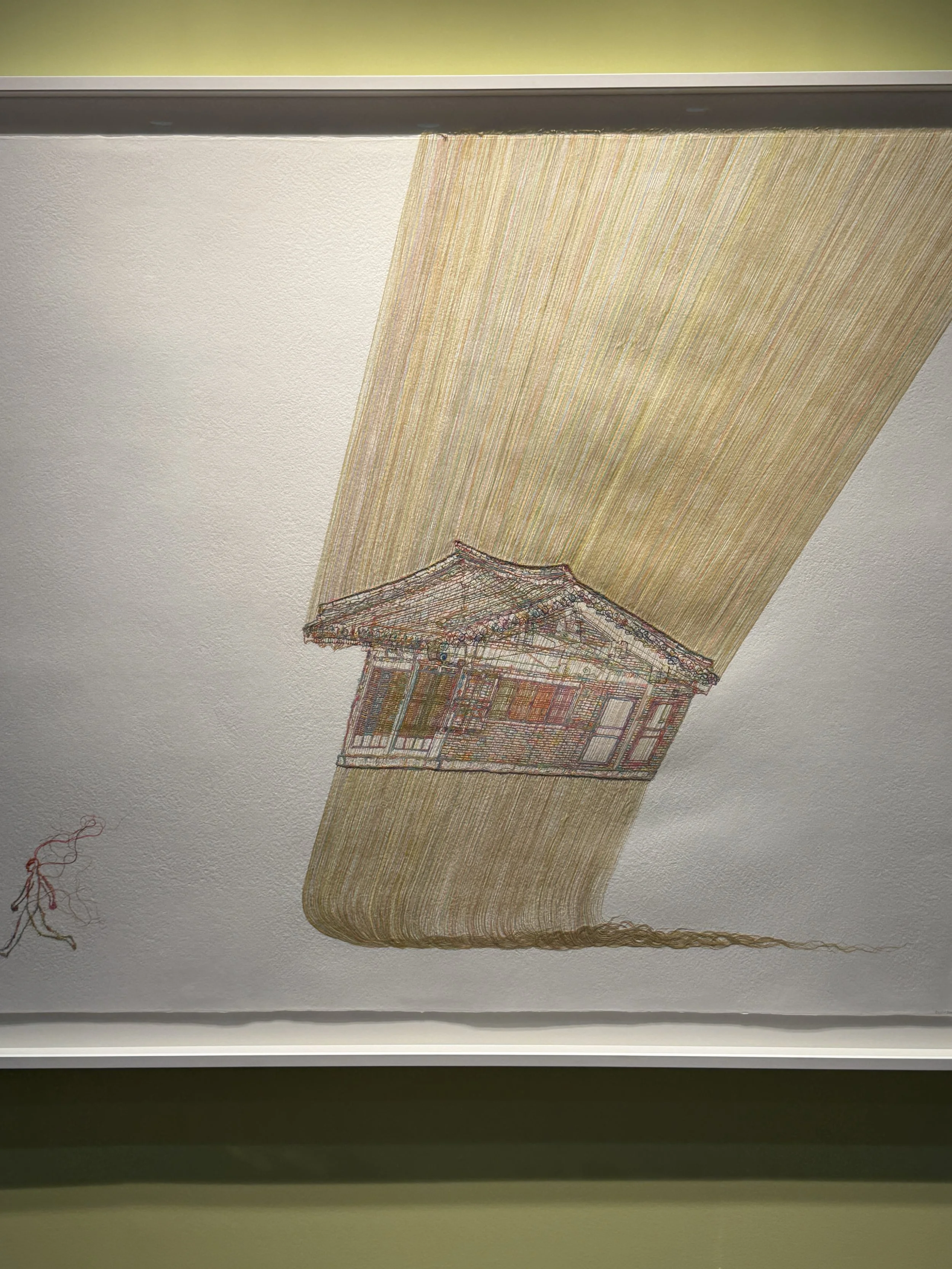
One of the names that seemed to draw particular attention at this year’s preview was Do Ho Suh. Lehmann Maupin dedicated its booth to a solo presentation of his work, coinciding with his major survey at the National Museum of Modern and Contemporary Art (MMCA) in Seoul.
The timing made the presentation especially interesting. Works encountered at the fair could be placed within the much broader context of Suh’s practice at the museum, where ideas of home, memory and belonging unfold on a completely different scale. Seeing the two in the same week made his presence across Seoul feel particularly significant.
[A Last Bow from Yayoi Kusama]
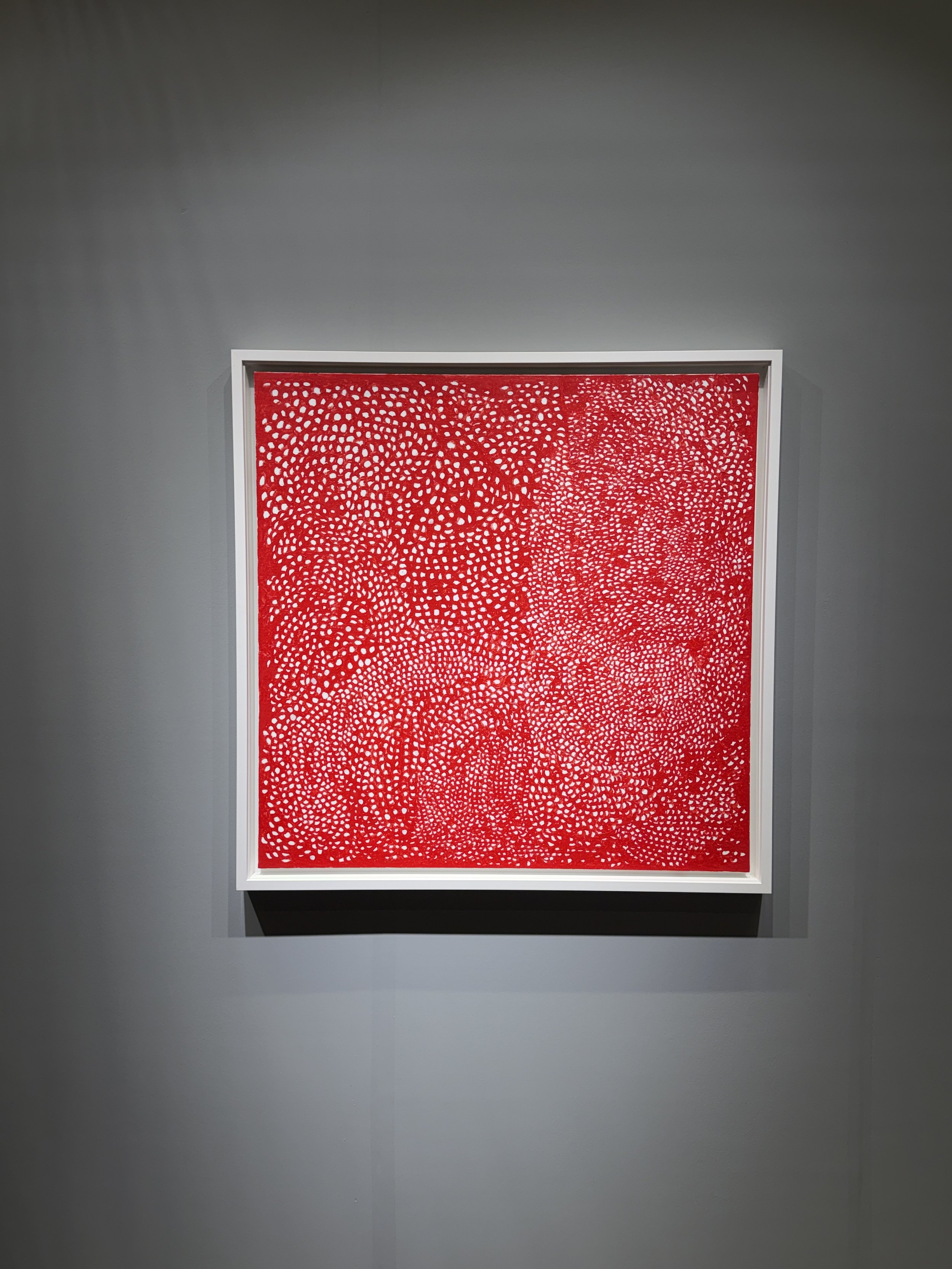
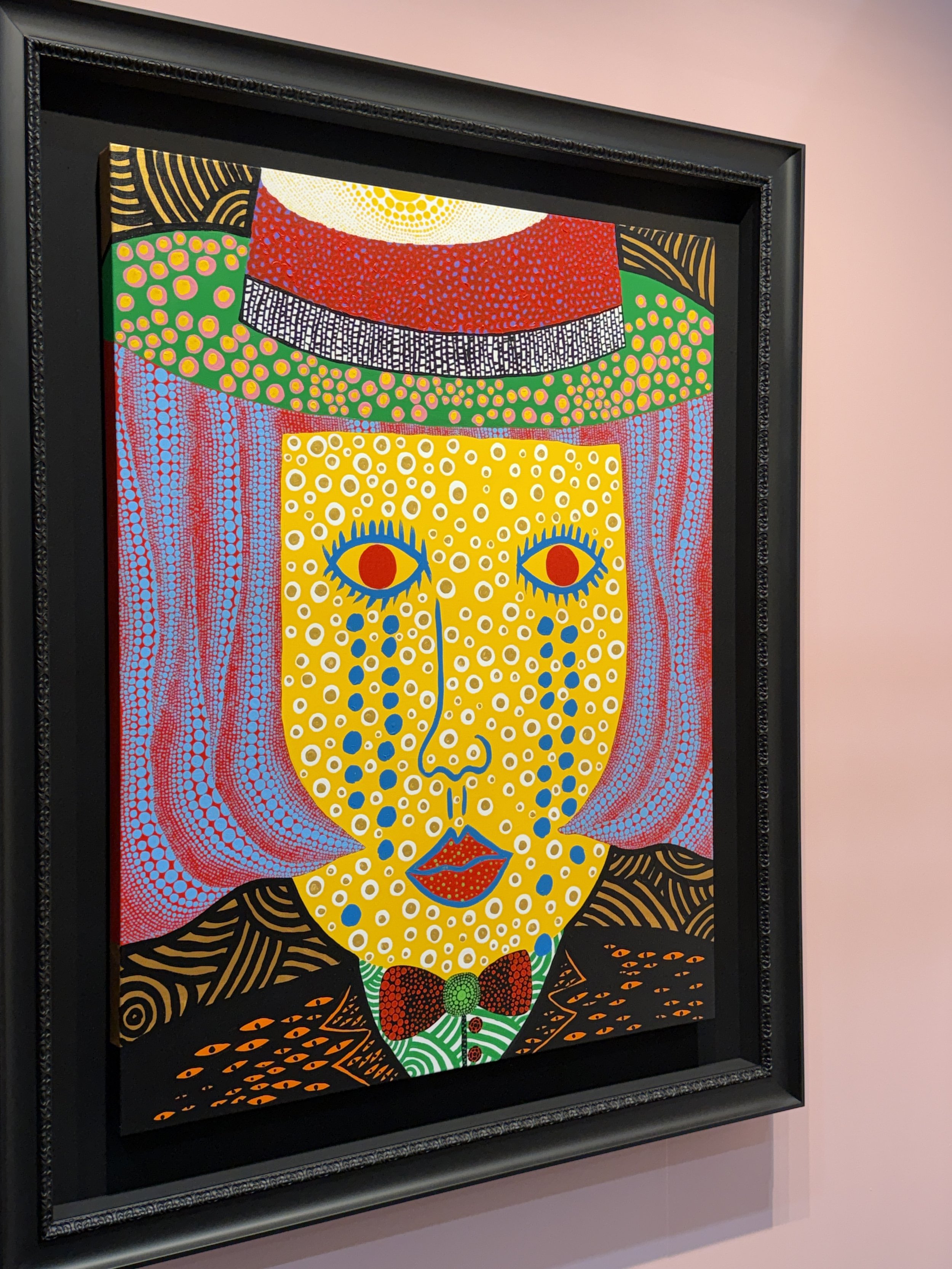
There was a different feeling around Yayoi Kusama’s work this year. The artist had died only weeks before the fair, at the age of 97, making this the first Frieze Seoul since her passing.
Perhaps because of that timing, standing in front of her work felt different. The dots, repetition and familiar visual language were all there, but the experience felt quieter than I remembered. For an artist who spent decades exploring ideas of infinity and repetition, seeing her work so soon after her death felt less like another encounter at an art fair and more like a small moment of farewell.
[The Cafe Got a Rebrand: Osulloc]
Not everything worth remembering was hanging on the walls. This year, Osulloc was among the names serving visitors at the fair, bringing Jeju tea and matcha into the middle of COEX.
I liked the choice. Frieze Seoul is an international event, but part of what makes its Seoul edition interesting is the city around it. For visitors who may be discovering Korea through the fair, even something as simple as stopping for a cup of Jeju tea adds a distinctly local detail to the experience.
It is a small change, but one that made the fair feel a little more connected to where it was taking place.
Frieze is ultimately about art, but each year I find myself remembering more than the works themselves. This time it was Do Ho Suh appearing simultaneously at the fair and the museum, a quieter encounter with Kusama after her passing, and even a cup of tea from Jeju between booths.
Perhaps that is why I keep returning. The galleries may come from around the world, but each September, Frieze feels a little more at home in Seoul.